6 Smart Methods to Improve Equipment Handling on Construction Sites
May 8, 2026
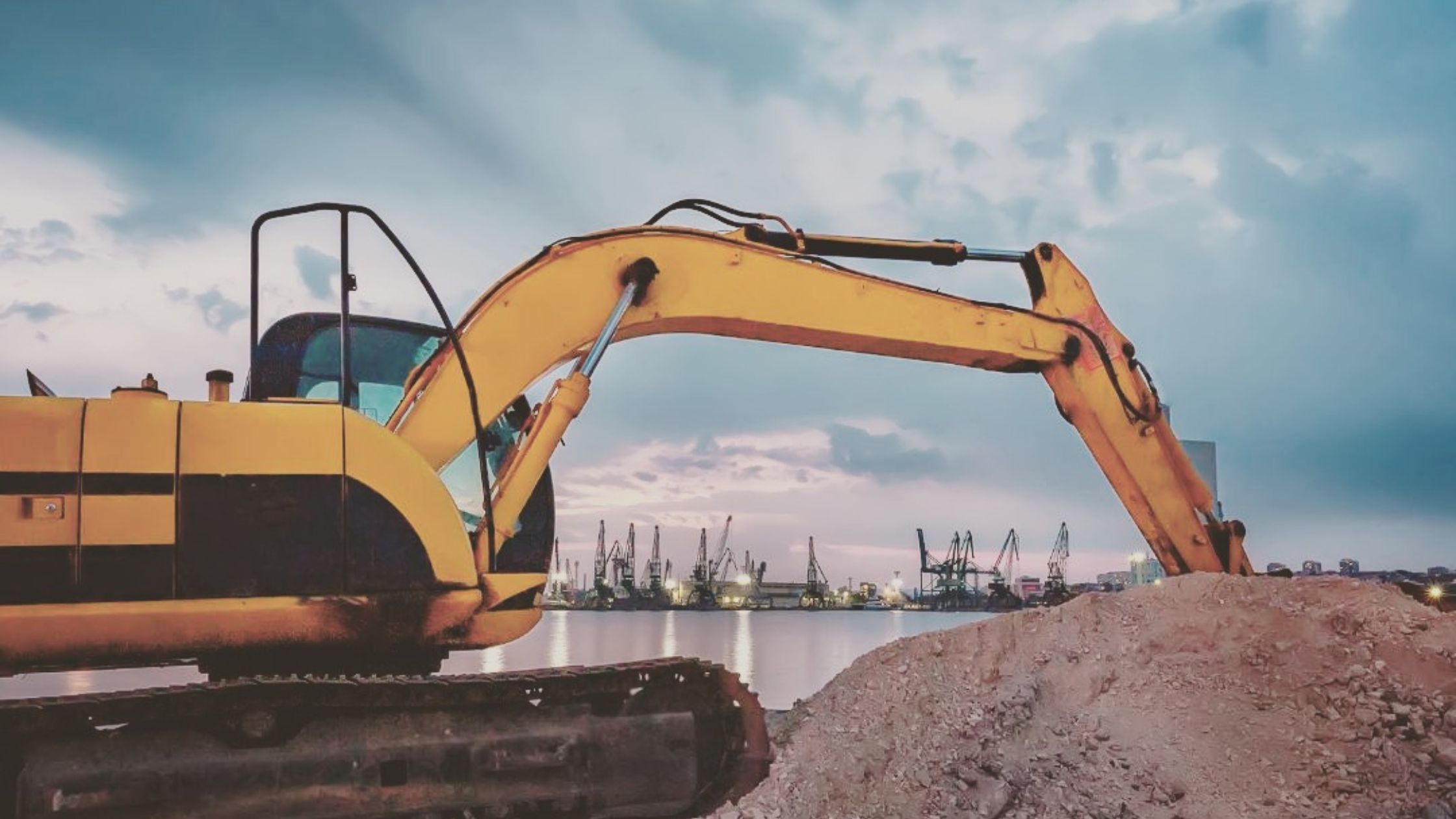
Managing equipment properly is an important part of successful construction work. This explains 6 smart methods to improve equipment handling on construction sites using simple and practical steps. It covers planning equipment movement, training operators, following safety rules, and maintaining machines regularly. It also highlights the importance of clear communication, proper storage, and reducing equipment damage during daily operations. Good equipment handling helps teams avoid delays, improve productivity, and create safer working conditions. These methods can support construction businesses in managing heavy machinery more effectively while keeping projects running smoothly and completing work on time.
1. Plan Equipment Movement Clearly
One of the best ways to improve equipment handling is to plan equipment movement before work begins. Construction sites are often busy, with many workers, trucks, and machines operating at the same time. Without planning, equipment can create confusion and slow down work. Site managers should decide where machines will enter, move, and park during the project. Clear paths should be created for heavy equipment to avoid unnecessary traffic. Workers should also know which areas are safe for walking and which areas are only for machinery. Planning equipment movement helps reduce delays and lowers the chance of accidents. It also makes daily work more organized and efficient.
2. Train Equipment Operators Properly
Well-trained operators play an important role in equipment handling. Heavy machinery requires skill, attention, and proper knowledge. Operators who understand how to use equipment correctly can work more safely and avoid damage to machines. Training should include machine controls, safety rules, daily inspections, and emergency procedures. Workers should also learn how to handle equipment carefully in different weather and site conditions. Even experienced operators can benefit from regular refresher training. Construction technology and safety practices continue to improve, so ongoing learning is helpful. Proper training increases confidence and supports smoother equipment operations on the site.
3. Follow Safety Rules at All Times
Safety is one of the most important parts of equipment handling. Construction sites can become dangerous if workers ignore safety procedures. Following simple safety rules helps protect workers, equipment, and the entire project. Before using any machine, operators should inspect the equipment carefully. They should check brakes, lights, tires, fuel levels, and warning systems. Any problem should be reported immediately. Workers should always wear safety gear such as helmets, gloves, boots, and reflective clothing. Clear signs and barriers should also be placed around equipment operating areas to keep people safe. Safe equipment handling helps reduce injuries and prevents costly delays caused by accidents. A safe site also creates a better working environment for the entire team.
4. Maintain Equipment Regularly
Regular maintenance is necessary for keeping construction equipment in good condition. Machines that are not maintained properly may break down during work, causing delays and expensive repairs. Simple maintenance tasks can help equipment perform better for longer periods. These tasks may include checking oil levels, cleaning machines, inspecting parts, and replacing damaged components when needed. Construction companies should create maintenance schedules for all equipment. Keeping maintenance records can also help managers track repairs and inspections more easily. Well-maintained equipment works more efficiently and reduces the risk of sudden problems on the construction site. Regular maintenance also helps companies avoid unnecessary downtime and improve overall productivity.
5. Improve Communication Between Teams
Good communication is another important method for better equipment handling. Construction projects involve many teams working together every day. Equipment operators, supervisors, drivers, and workers must share information clearly to avoid confusion. Daily meetings can help teams understand equipment schedules, work areas, and project priorities. Workers should know when equipment will arrive, where it will be used, and who is responsible for operating it. Using radios, phones, or simple communication systems can also improve coordination on busy construction sites. Clear communication helps prevent mistakes and allows work to continue smoothly throughout the day. When teams communicate properly, equipment handling becomes safer, faster, and more organized.
6. Store Equipment Carefully After Use
Proper equipment storage is often overlooked, but it is very important for protecting machines and tools. Construction equipment should be stored in safe and organized areas after daily operations. Machines should be cleaned before storage to remove dirt, dust, and debris. Fuel systems, batteries, and important parts should also be checked regularly. Smaller tools should be placed in secure storage areas to avoid damage or loss. Good storage practices help extend equipment life and reduce repair costs. It also allows workers to find tools and machinery more quickly when work begins again. Organized storage areas improve site cleanliness and help construction teams maintain better control over equipment.
Conclusion
Proper equipment handling is an important part of successful construction operations. Simple methods such as planning equipment movement, training operators, following safety rules, maintaining machinery, improving communication, and storing equipment carefully can make a big difference on construction sites. These practical steps help reduce delays, improve productivity, and create safer working conditions for workers. Good equipment handling also helps construction companies protect valuable machinery and complete projects more efficiently. By using smart and organized equipment management methods, construction teams can support smoother daily operations and improve overall project performance.


