6 Simple Strategies for Better Construction Workflow Management
May 13, 2026
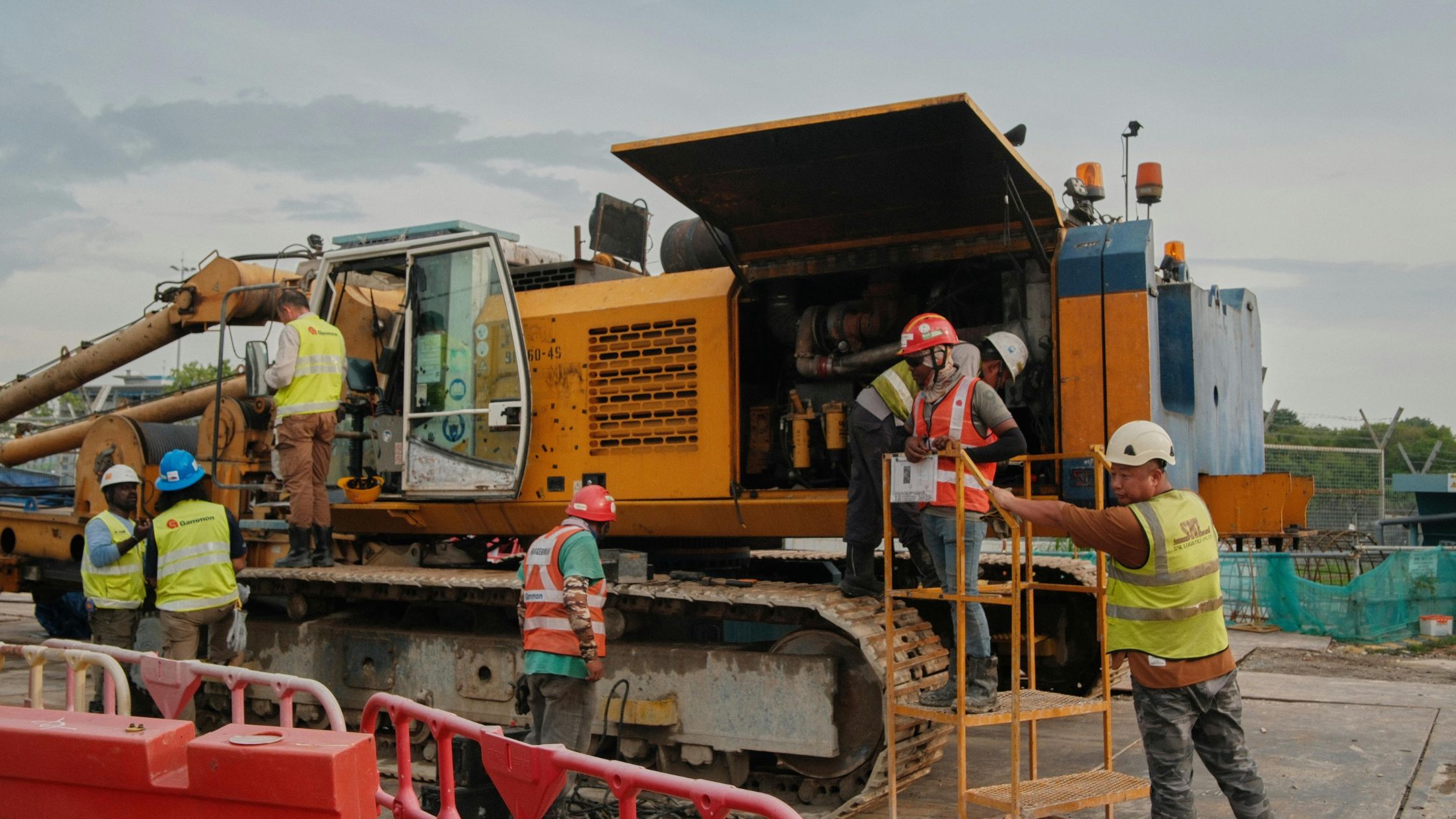
Construction projects become more successful when daily tasks are managed in an organized and efficient way. This overview explains 6 simple strategies for better construction workflow management using practical and easy-to-follow methods. The information highlights the importance of clear communication, proper scheduling, regular equipment maintenance, and better coordination between workers and suppliers. It also explains how organized planning and safe work practices can improve productivity and reduce delays on construction sites. By following these simple strategies, construction companies can manage resources more effectively, lower operating costs, improve teamwork, and keep projects running smoothly from beginning to end.
1. Create Clear Communication Between Teams
Clear communication between teams helps construction projects run more smoothly and efficiently. Workers, supervisors, equipment operators, and suppliers should share updates regularly so everyone understands schedules, daily tasks, and project changes. Simple communication tools such as phones, radios, and short meetings can help reduce confusion and prevent delays on-site. When teams stay informed, equipment and materials can move more easily across work areas. Good communication also helps solve problems faster and improves teamwork during daily operations. By maintaining clear communication, construction companies can improve productivity, support safer work environments, and keep projects organized from start to finish.
2. Use Proper Scheduling for Daily Operations
Using proper scheduling for daily operations helps construction projects stay organized and productive. Clear schedules allow workers, equipment operators, and suppliers to understand their tasks and timelines more easily. Planned schedules also help reduce delays by making sure equipment, materials, and labor are available when needed. Construction managers can monitor progress better and adjust plans quickly if unexpected problems occur. Organized scheduling improves coordination between teams and keeps daily activities running smoothly across the site. By following simple and clear schedules, construction companies can improve workflow, reduce downtime, and complete projects more efficiently from start to finish.
3. Reduce Delays With Proper Equipment Care
Proper equipment care helps construction projects avoid unnecessary delays and maintain smooth daily operations. Machines that are checked and maintained regularly are less likely to break down during important tasks. Simple maintenance such as checking fuel levels, tires, brakes, and engine condition can improve equipment performance and reliability. Clean and well-maintained machinery also works more efficiently on construction sites. Regular inspections help identify small problems before they become expensive repairs. When construction companies take care of their equipment properly, workers can complete tasks on time, improve productivity, reduce downtime, and ensure steady progress across all stages of the project.
4. Improve Coordination Between Workers and Suppliers
Improving coordination between workers and suppliers helps construction projects run more smoothly and without delays. When both sides communicate clearly, materials and equipment can arrive at the right time and in the right place. This reduces waiting time and avoids confusion on-site. Simple updates through calls, messages, or meetings can help keep everyone informed about delivery schedules and work needs. Better coordination also helps workers plan their tasks more efficiently. By working together properly, suppliers and construction teams can improve workflow, reduce mistakes, and ensure daily operations continue in a steady and organized way. It also helps in managing urgent requirements quickly. This leads to better productivity and fewer disruptions during important project stages.
5. Keep Work Areas Organized and Safe
Keeping work areas organized and safe is important for a smooth construction workflow. Clean and well-arranged sites help workers move easily and complete tasks without confusion or delays. Materials should be stored in proper places, and unwanted waste should be removed regularly. Clear pathways allow equipment and workers to move safely across the site. Safety signs and basic rules also help prevent accidents. When the work area is organized, productivity improves, and workers can focus better on their tasks. A safe and tidy site supports better teamwork, reduces risks, and keeps construction activities running efficiently every day. Regular site inspections also help identify potential hazards early and keep operations under control. Proper lighting and ventilation further improve working conditions for laborers. Simple daily cleanup routines.
6. Plan Tasks Carefully Before Work Begins
Planning tasks carefully before work begins helps construction projects run more smoothly and avoid delays. It allows teams to understand what needs to be done, which resources are required, and how long each task will take. Simple planning also helps improve coordination between workers, equipment, and suppliers. When tasks are clearly organized in advance, there is less confusion on-site and better use of time and materials. It also reduces mistakes and supports steady progress. Good planning helps construction teams stay focused, improve efficiency, and complete projects in a more organized and timely way. It also helps managers prepare for possible challenges before they happen. Clear task planning makes it easier to assign responsibilities to the right people. Workers can start their jobs without confusion or waiting for instructions. It also improves daily workflow by keeping everything structured and predictable. With better planning, construction sites can run more safely, smoothly, and efficiently every day.
Conclusion
Better construction workflow management is essential for completing projects in a smooth, safe, and efficient way. When teams follow simple strategies like clear communication, proper scheduling, regular equipment care, strong coordination, organized work areas, and careful planning, daily operations become more structured and productive. These methods help reduce delays, avoid confusion, and improve the use of resources on-site. They also support better teamwork and create a safer working environment for everyone involved. By applying these 6 simple strategies consistently, construction companies can improve overall performance, complete work on time, and build more reliable and well-managed projects from start to finish.


