6 Practical Solutions for Improving Equipment Delivery Systems
May 20, 2026

Equipment delivery plays an important role in construction and industrial projects. Delays, poor coordination, and damaged equipment can slow down work and increase costs. Businesses can improve delivery systems by using better scheduling, tracking shipments in real time, and improving communication between suppliers, drivers, and project teams. Regular equipment maintenance and proper storage also help avoid unexpected problems during transport. Digital tools can make planning and delivery updates easier and more accurate. Training staff on logistics and delivery processes can improve efficiency as well. By using practical solutions and stronger organization, companies can create faster, safer, and more reliable equipment delivery systems that support better project performance.
Equipment delivery is an important part of construction and industrial work. Projects depend on machinery, tools, and heavy equipment arriving on time and in good condition. When deliveries are delayed or poorly managed, work can slow down quickly. This can increase costs, create scheduling problems, and reduce overall productivity.
Many companies face challenges with equipment delivery because of traffic delays, poor communication, damaged equipment, or weak planning systems. As projects become larger and more complex, businesses need stronger delivery systems to keep operations running smoothly. A well-organized equipment delivery process helps companies save time, reduce stress, and improve project performance.
1. Improve Scheduling and Planning
Good planning is one of the most important parts of successful equipment delivery. Without proper scheduling, equipment may arrive too early, too late, or at the wrong location. This can create confusion and slow down project progress.
Companies should create detailed delivery schedules before equipment leaves the warehouse or supplier location. These schedules should include delivery dates, transportation routes, unloading plans, and contact information for everyone involved.
It is also important to coordinate schedules with project managers and site teams. This helps ensure that equipment arrives when workers are ready to use it. Better planning reduces delays and helps projects stay on track.
Using digital scheduling tools can make this process easier. Many businesses now use software systems that allow teams to monitor delivery timelines and make changes quickly if problems happen.
2. Use Real-Time Tracking Systems
Real-time tracking technology has become a valuable tool for equipment delivery management. GPS tracking systems allow companies to monitor the exact location of trucks and equipment during transport.
With real-time tracking, businesses can quickly respond to delays caused by traffic, weather, or road closures. Project managers can receive updates and prepare for arrival times more accurately. This helps reduce confusion at job sites and improves communication between teams.
Tracking systems also improve security. Expensive construction equipment can be monitored throughout the delivery process, reducing the risk of theft or lost shipments.
Many modern tracking systems provide automatic notifications and digital updates. These features help businesses improve organization and make delivery operations more reliable.
3. Strengthen Communication Between Teams

Poor communication is one of the biggest causes of delivery problems. Suppliers, drivers, warehouse teams, and project managers all need clear information to keep equipment deliveries running smoothly.
When communication is weak, deliveries may be delayed, equipment may be sent to the wrong location, or important updates may be missed. Strong communication systems help avoid these problems.
Businesses should create clear communication procedures for every delivery. Drivers should know who to contact during transportation, while project teams should receive updates about arrival times and possible delays.
Mobile communication apps and digital management platforms can improve coordination between teams. Quick communication allows businesses to solve problems faster and reduce unnecessary downtime. Regular meetings and updates can also help improve teamwork and delivery performance over time.
4. Maintain Equipment Before Transportation
Equipment that is not properly maintained can create major problems during transportation. Mechanical failures, damaged parts, or leaking fluids can delay deliveries and increase repair costs.
Before equipment is shipped, companies should inspect it carefully and complete any needed maintenance. This includes checking tires, engines, hydraulic systems, brakes, and safety components.
Clean and well-maintained equipment is also easier and safer to transport. Proper preparation reduces the chance of accidents and helps equipment arrive in good condition.
Businesses should create regular maintenance schedules for all machinery and transportation vehicles. Preventive maintenance helps reduce unexpected breakdowns and improves delivery reliability. By keeping equipment in strong working condition, companies can protect valuable assets and avoid expensive delays.
5. Improve Storage and Loading Processes
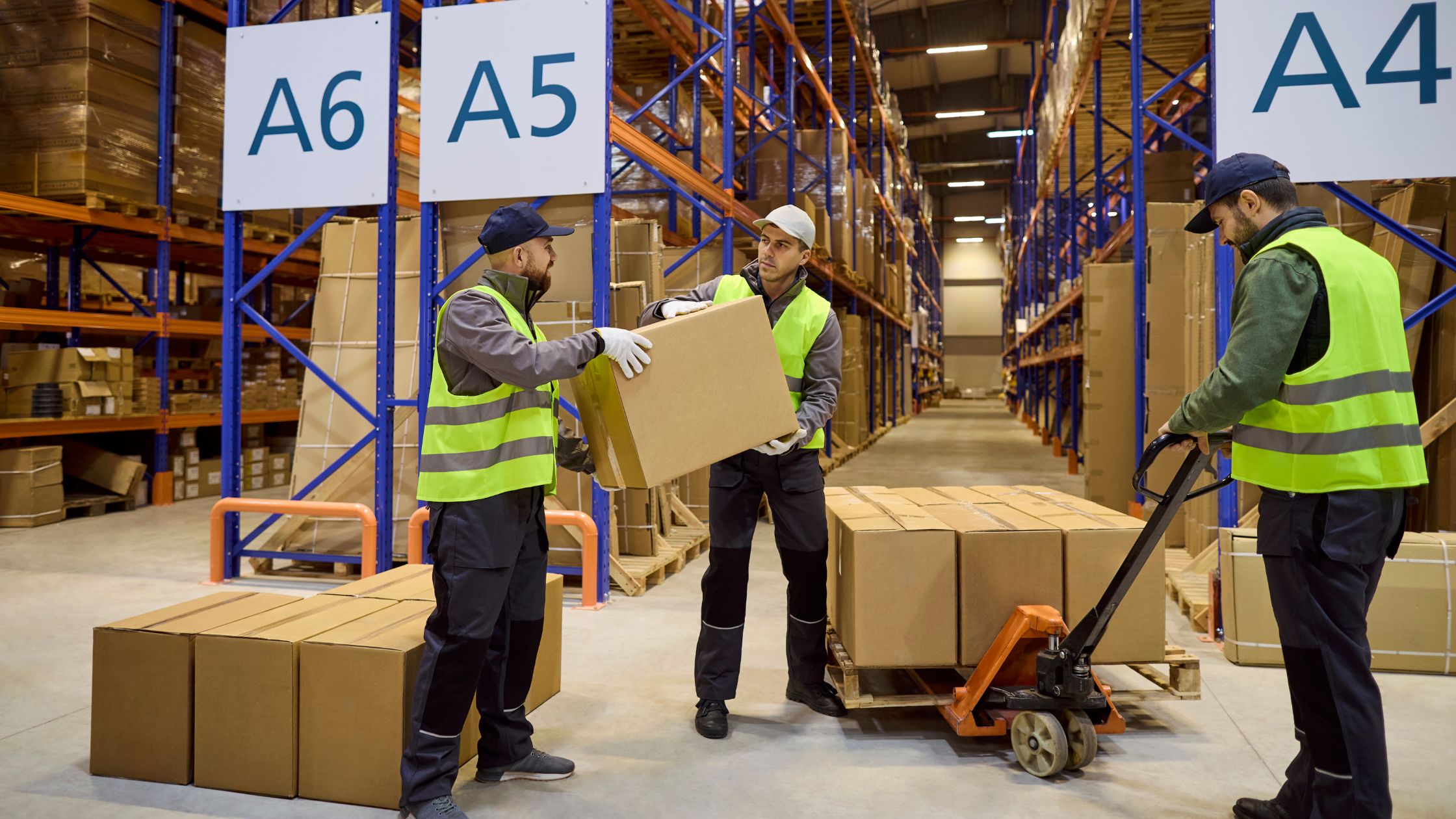
The way equipment is stored and loaded plays an important role in delivery success. Poor storage systems can lead to damaged equipment, missing tools, and slow loading times.
Businesses should organize storage areas clearly and safely. Equipment should be placed in secure locations with enough space for easy access and movement. Labels and inventory systems can help workers find equipment quickly and reduce mistakes.
Loading procedures should also follow safety guidelines. Heavy machinery must be secured properly during transportation to prevent movement or damage. Workers responsible for loading equipment should receive proper training to handle machinery safely and efficiently.
Using the right loading equipment, such as cranes, forklifts, and secure tie-down systems, can improve transportation safety and reduce risks during delivery. Better storage and loading systems create faster operations and help businesses avoid unnecessary damage or delays.
6. Train Staff on Delivery and Logistics Processes
Even with strong technology and planning systems, equipment delivery still depends on skilled workers. Staff training is an important part of improving logistics and transportation operations.
Employees should understand delivery schedules, safety procedures, equipment handling methods, and communication systems. Drivers and logistics teams should also know how to respond to delays, route changes, and emergency situations.
Training programs help employees work more efficiently and reduce mistakes. Well-trained staff can improve customer service, solve problems faster, and maintain smoother operations during busy projects.
Businesses should also provide regular updates and refresher training as technology and industry standards continue to change. Continuous learning helps companies stay competitive and improve delivery performance over time.
When employees understand their responsibilities clearly, equipment delivery systems become more organized and dependable.
Conclusion
Improving equipment delivery systems is important for construction and industrial businesses that want to increase efficiency and reduce project delays. Strong planning, real-time tracking, better communication, regular maintenance, organized storage, and staff training all help create smoother delivery operations.
Modern projects depend on reliable equipment arriving at the right place and at the right time. Delays and poor coordination can increase costs and slow down productivity, while efficient delivery systems help businesses complete projects more successfully.
By focusing on practical solutions and stronger organization, companies can improve equipment transportation, protect valuable machinery, and support long-term business growth. Better delivery systems not only improve daily operations but also help businesses build stronger relationships with clients, suppliers, and project teams.